

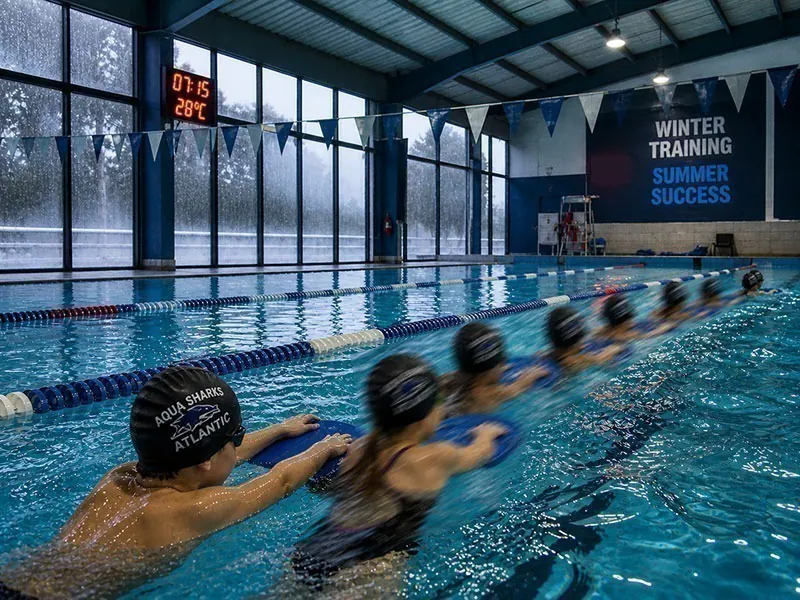
How To Keep Your Kids Motivated in Winter Months
When winter arrives in Cape Town, it brings shorter days, colder temperatures, and a natural tendency for everyone — especially kids — to slow down. Early mornings feel tougher, evening practices get darker and colder, and suddenly the motivation that was strong in summer begins to fade. For parents, this time of year can be challenging. But with the right approach, winter can actually become one of the most valuable periods for growth, discipline, and long-term development in young athletes.
1. Focus on Routine Over Motivation
Motivation comes and goes — especially when it’s cold and rainy. What really makes the difference is routine. Helping your child stick to a consistent training schedule, even when they don’t feel like it, builds discipline and resilience.
Instead of asking, “Do you feel like training today?”, shift the mindset to “This is what we do.” Over time, this consistency becomes habit, and habit removes the need for constant motivation.
2. Set Small, Achievable Goals
Winter is the perfect time to focus on progress rather than performance. Break big goals into smaller, achievable milestones that your child can work toward weekly.
This could be:
Improving fitness levels
Practising specific skills
Building strength or endurance
When kids see progress, even in small ways, it keeps them engaged and gives them a sense of achievement — which is a powerful motivator.
3. Make It Social and Fun
One of the biggest reasons kids lose motivation is because training starts to feel like a chore. Keeping it social can make a huge difference.
Encourage your child to:
Train with friends or teammates
Join group sessions
Stay connected with their team during the off-season
When training includes laughter, interaction, and a sense of belonging, kids are far more likely to stick with it — even on cold winter days.
4. Invest in the Right Gear
Comfort plays a big role in motivation. Training in the cold without proper clothing can quickly turn a positive experience into a negative one.
Buy online now: https://shop.aquasharksatlantic.co.za/shop
Make sure your child has:
a. Warm training layers
b. Waterproof jackets
c. Proper footwear for wet conditions
When kids feel physically comfortable, they’re far more willing to get out the door and give their best effort.
5. Celebrate Effort, Not Just Results
Winter training is not always about winning or peak performance — it’s about showing up. Recognising and celebrating effort reinforces the behaviour you want to see.
Praise your child for:
Attending training consistently
Pushing through tough conditions
Maintaining a positive attitude
This builds confidence and helps them understand that commitment matters more than short-term results.
6. Lead by Example
Children often mirror what they see. If they notice you prioritising activity, staying committed to your own routines, or embracing the winter season positively, they are more likely to do the same.
Even simple actions like going for a walk, exercising together, or supporting them actively at training sessions can have a big impact.
7. Remind Them of the Bigger Picture
It’s easy for kids to lose sight of why they started when conditions aren’t ideal. Gently remind them of their goals, their love for the sport, and how winter training sets them apart.
The athletes who keep going when others stop are the ones who come back stronger in summer.
Final Thoughts
Cape Town winters may test motivation, but they also create opportunity. This is where resilience is built, habits are formed, and long-term success begins to take shape.
With the right support, encouragement, and structure, parents can help their children not only stay active through winter — but come out of it stronger, more confident, and more committed than ever.